Rafida

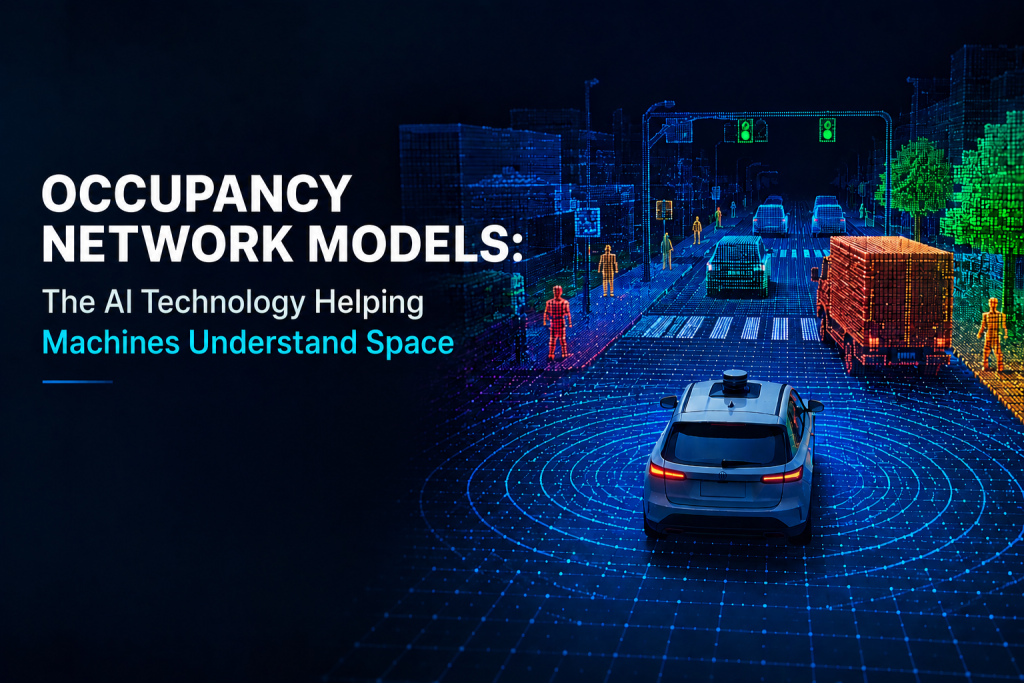
Occupancy Network Models: The AI Technology Helping Machines Understand Space

Artificial intelligence has made incredible progress in recent years. Today’s AI can recognize faces, detect vehicles, identify road signs, and even describe what’s happening in an image. But for autonomous systems, recognizing objects is only half the challenge. Imagine you’re driving through a busy city. A truck blocks part of your view. For example, a […]

Occupancy Network Models: The AI Technology Helping Machines Understand Space Read More »

The Golden Dataset: The Foundation of Enterprise AI

What if your AI model scored 99% accuracy… but still failed in production? It sounds impossible, but it happens more often than you’d think. Many AI models perform exceptionally well during development, only to struggle when exposed to real-world users, unpredictable scenarios, and changing business environments. A model that excels in a controlled test environment

The Golden Dataset: The Foundation of Enterprise AI Read More »

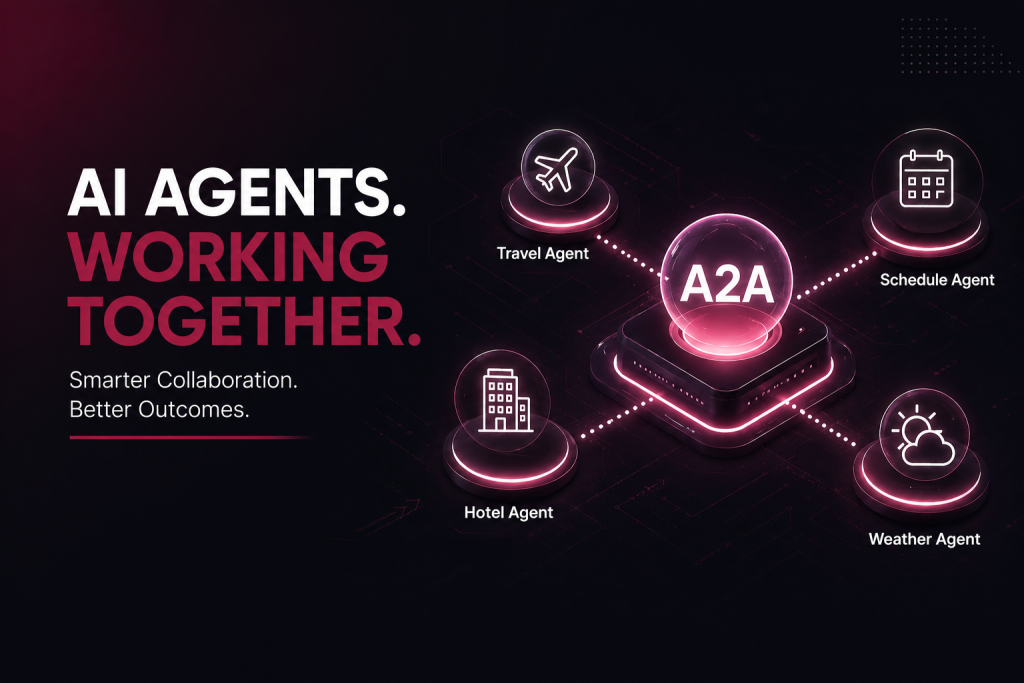
Agent-to-Agent (A2A) Communication Explained: How AI Agents Work Together to Solve Complex Tasks

Artificial intelligence is no longer limited to a single chatbot that answers questions or generates content. Today’s AI is evolving into intelligent agents capable of planning tasks, making decisions, using tools, and solving problems with minimal human intervention. But what happens when one AI agent isn’t enough? Imagine planning an international business trip. One AI

Agent-to-Agent (A2A) Communication Explained: How AI Agents Work Together to Solve Complex Tasks Read More »

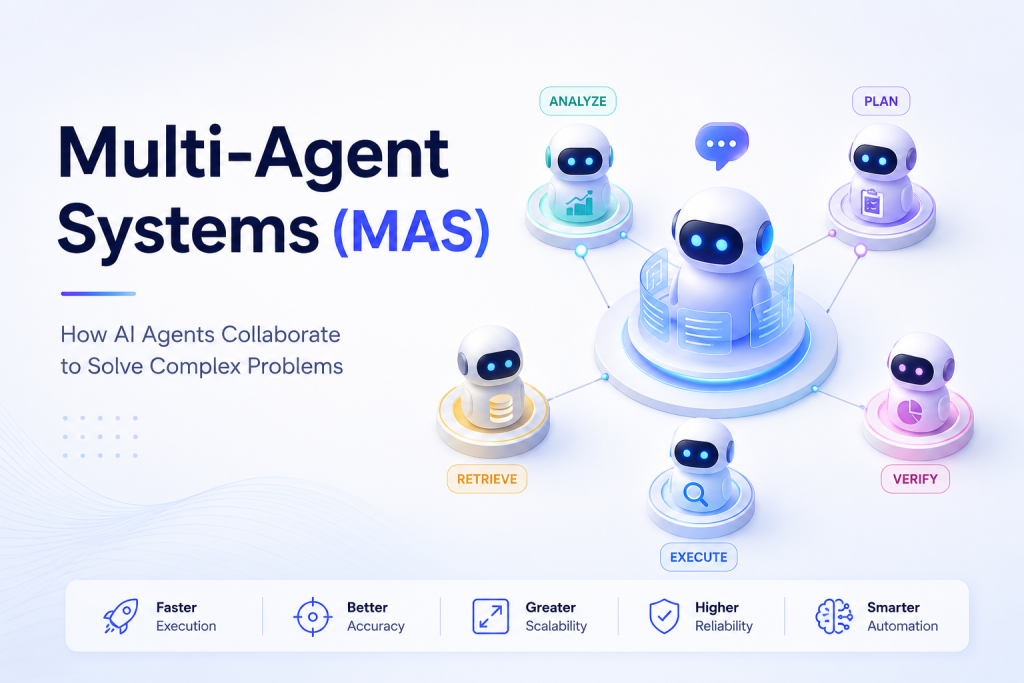
Multi-Agent Systems (MAS): How AI Agents Collaborate to Solve Complex Problems

Artificial Intelligence (AI) is no longer limited to chatbots or virtual assistants. Today, AI can analyze data, automate workflows, write code, and support business decisions. As organizations adopt more advanced AI solutions, relying on a single AI model is becoming less practical. Imagine an online retail business. One AI assistant answers customer questions, another tracks

Multi-Agent Systems (MAS): How AI Agents Collaborate to Solve Complex Problems Read More »

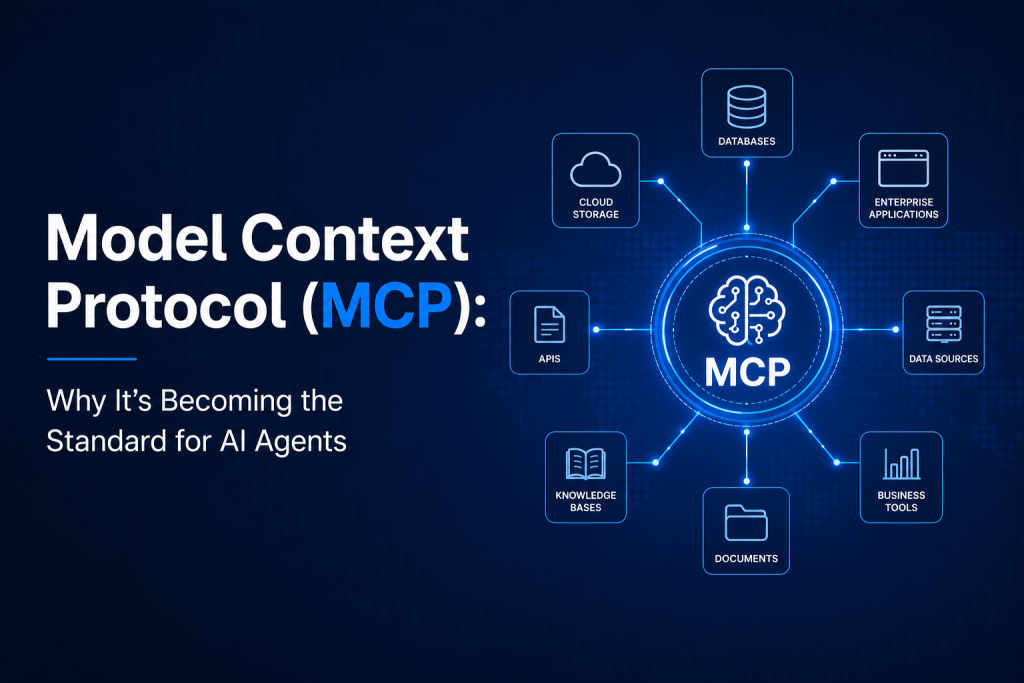
Model Context Protocol (MCP): Why It’s Becoming the Standard for AI Agents

Artificial Intelligence (AI) is transforming the way businesses work. AI assistants can answer questions, write code, automate workflows, and analyze large amounts of information. But despite these advancements, AI has one major limitation: it cannot easily access the tools and business data organizations use every day. Imagine asking an AI assistant to summarize your latest

Model Context Protocol (MCP): Why It’s Becoming the Standard for AI Agents Read More »

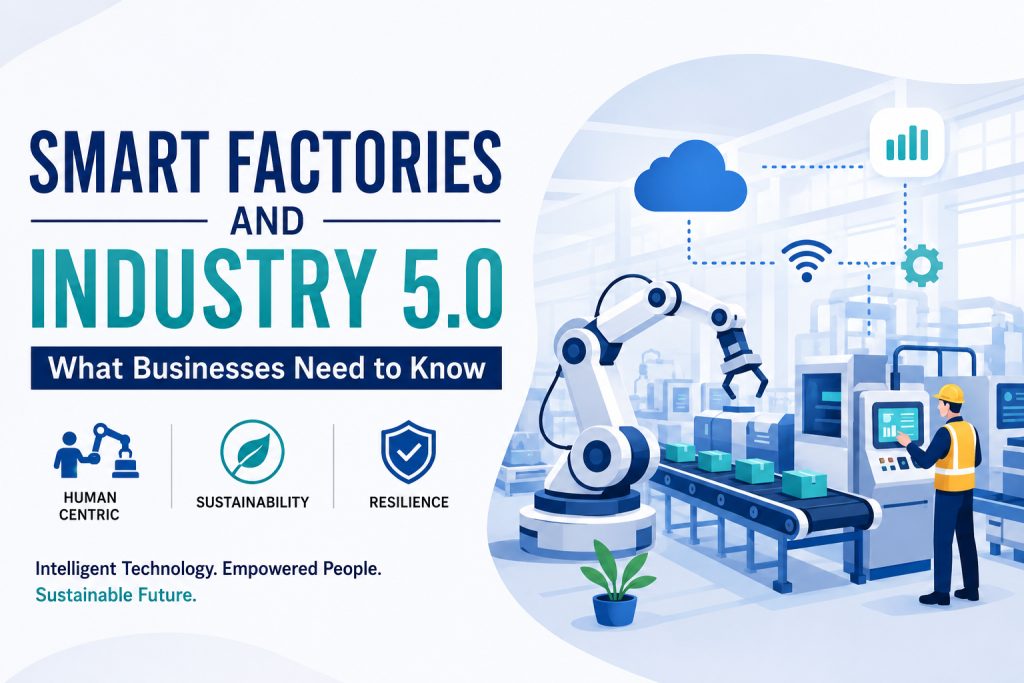
Smart Factories and Industry 5.0: What Businesses Need to Know

The manufacturing industry is experiencing a major transformation. Smart Factories and Industry 5.0 are changing how products are designed, produced, and delivered. Businesses are now moving beyond traditional automation toward intelligent, connected, and human-centric operations. While Industry 4.0 focused on digitalization and automation, Industry 5.0 introduces a new vision. It combines advanced technologies with human

Smart Factories and Industry 5.0: What Businesses Need to Know Read More »

AI-Powered Fleet Management: The Future of Transportation

The transportation industry is rapidly evolving. Businesses are increasingly adopting advanced technologies to improve efficiency and reduce operational costs. Among these innovations, AI-powered fleet management is emerging as a game-changer. Fleet operators face growing challenges every day. Rising fuel prices, vehicle maintenance costs, driver safety concerns, and customer expectations create significant pressure. Therefore, organizations are

AI-Powered Fleet Management: The Future of Transportation Read More »

World Models Explained: The Next Frontier of Artificial Intelligence

Artificial intelligence is evolving rapidly. New models are becoming more capable, efficient, and intelligent every year. However, the next major breakthrough may not come from bigger models alone. Instead, it may come from world models. World models are emerging as one of the most exciting developments in artificial intelligence. They help machines understand how the

World Models Explained: The Next Frontier of Artificial Intelligence Read More »

Hyper-Personalization in AI: Redefining Customer Engagement

Hyper-personalization is no longer a competitive advantage. It is an expectation. Today’s customers do not just want relevant content. They expect experiences that feel tailored to their needs, behavior, and preferences in real time. Generic messaging no longer works. The shift is clear. Brands that fail to personalize risk losing attention, trust, and ultimately conversions.

Hyper-Personalization in AI: Redefining Customer Engagement Read More »